
“`html
“`html
Table of Contents
- The Evolving Equity Compensation Landscape
- Understanding Your Equity Compensation Portfolio
- Tax Optimization Strategies for 2026
- Timing and Diversification Considerations
- Regulatory Changes Impacting Your Strategy
- Risk Management and Portfolio Integration
- Strategic Planning for Maximum Value
The Evolving Equity Compensation Landscape
The equity compensation landscape is experiencing significant transformation in 2026, with over half of companies updating their equity plans and tech companies leading the charge at 62%. If you're an executive in technology or finance, understanding these changes isn't just beneficial: it's essential for maximizing your long-term wealth.
The complexity of modern equity compensation packages requires sophisticated planning strategies that extend far beyond simply holding or exercising options. Today's executives face an intricate web of vesting schedules, performance metrics, tax implications, and market volatility that demands a comprehensive approach to wealth management strategies.

Your equity compensation likely represents a substantial portion of your overall net worth, making it crucial to integrate these assets thoughtfully into your broader financial planning strategy. The decisions you make today regarding when to exercise options, how to manage concentration risk, and which tax planning strategies to employ can impact your financial future for decades.
Understanding Your Equity Compensation Portfolio
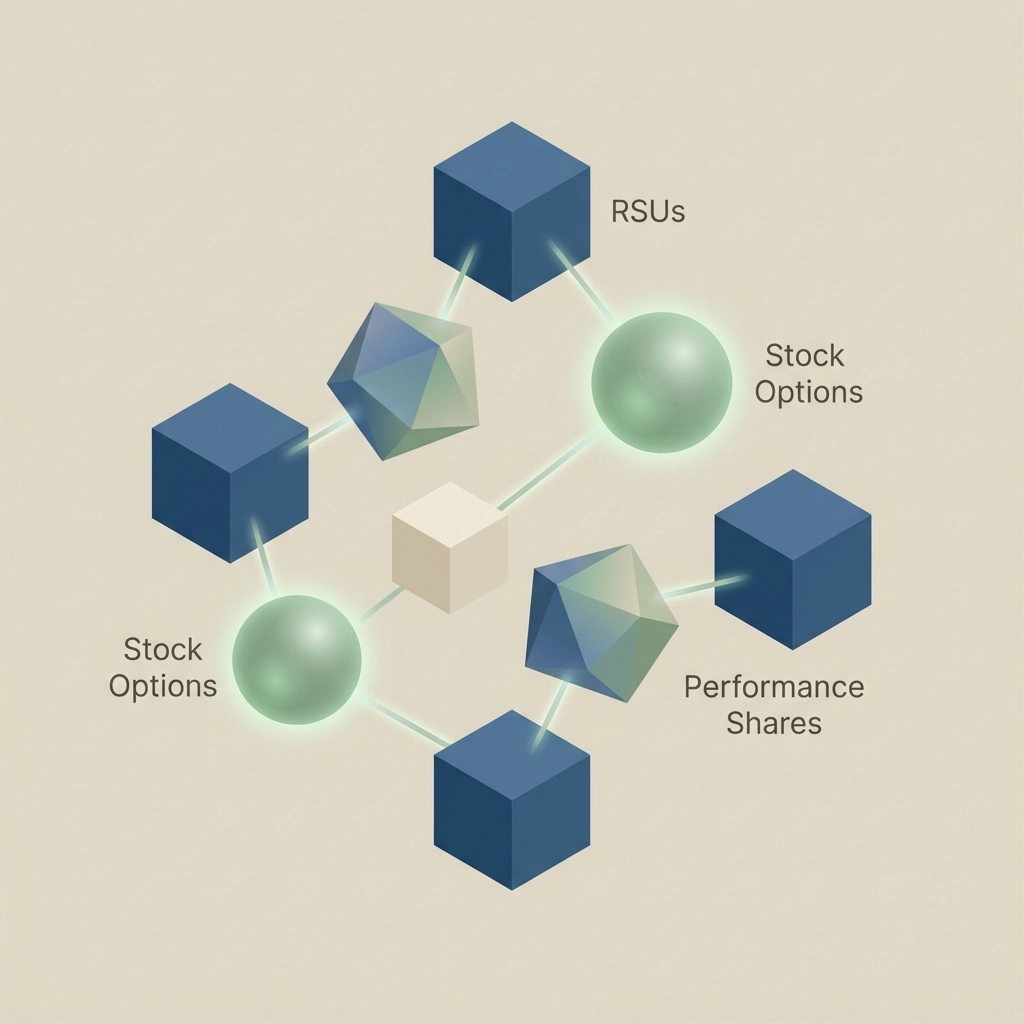
Modern equity compensation packages typically include a combination of restricted stock units (RSUs), stock options, performance shares, and sometimes employee stock purchase plans. Each vehicle carries distinct tax implications and strategic considerations that require careful evaluation.
Restricted Stock Units (RSUs) are currently the most popular form of equity compensation, particularly in tech companies. Unlike stock options, RSUs provide guaranteed value upon vesting, assuming the company remains viable. However, this certainty comes with immediate tax liability upon vesting, requiring proactive tax planning to minimize your overall burden.
Stock Options offer potential upside if your company's stock price appreciates beyond the exercise price, but they also carry the risk of becoming worthless if the stock underperforms. The timing of exercise decisions becomes critical, especially as companies increasingly incorporate performance metrics and extended vesting periods into their plans.
Performance Shares tie your compensation directly to specific company or market performance metrics. With nearly 70% of organizations now employing absolute or relative total shareholder return (TSR) measures, understanding how these metrics align with your company's strategic goals can help you anticipate potential payouts and plan accordingly.
Tax Optimization Strategies for 2026
The tax implications of equity compensation can significantly impact your overall returns, making strategic tax planning essential. Your approach should consider both current tax rates and potential future changes, particularly given the ongoing discussions about tax policy modifications.
For RSUs, you'll face ordinary income tax upon vesting, potentially pushing you into higher tax brackets during heavy vesting years. Consider implementing tax-loss harvesting strategies in your investment portfolio to offset some of this burden. Additionally, if you have flexibility in your vesting schedule, spreading out large vesting events across multiple tax years can help manage your marginal tax rate.
Stock option exercise timing requires careful consideration of multiple factors, including current stock price, your tax situation, and market outlook. Exercising incentive stock options (ISOs) may trigger alternative minimum tax (AMT) implications, while non-qualified stock options (NQSOs) create immediate ordinary income tax liability. The key is finding the optimal balance between minimizing taxes and maintaining appropriate diversification.
Consider establishing a systematic exercise and diversification investment strategy that removes emotion from the decision-making process. For instance, you might exercise and sell a predetermined percentage of vested options quarterly, regardless of stock price fluctuations. This approach helps manage concentration risk while smoothing out market volatility impacts.
Timing and Diversification Considerations
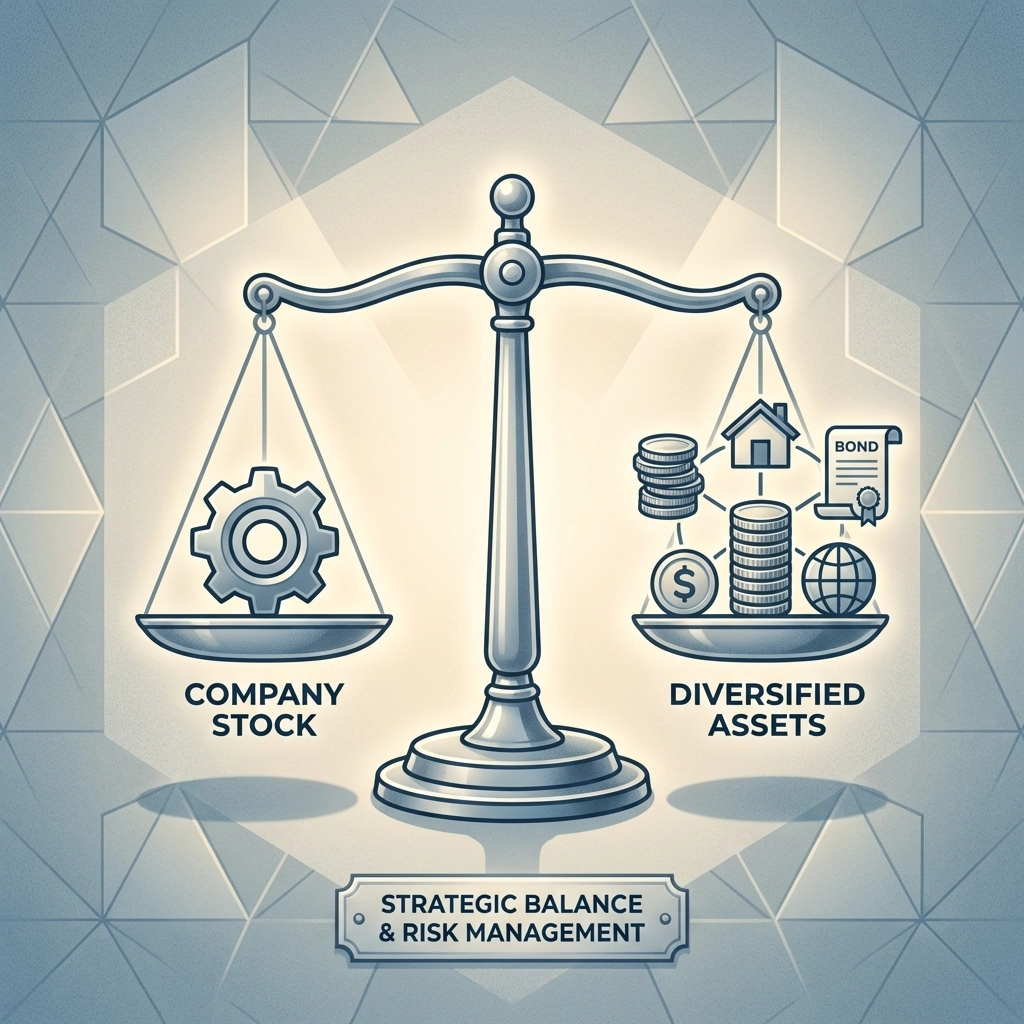
Concentration risk represents one of the most significant challenges facing executives with substantial equity compensation. Having too much of your wealth tied to a single company's stock, even if it's your employer, creates unnecessary risk that can be mitigated through thoughtful diversification strategies.
The optimal diversification approach depends on your unique circumstances, including your age, risk tolerance, other assets, and confidence in your company's future prospects. However, a common guideline suggests limiting individual company stock to no more than 10-20% of your overall asset allocation portfolio.
Your timing decisions should also consider broader market conditions and your company's specific circumstances. For example, if your company is approaching a potential merger or acquisition, understanding how these events might impact your equity compensation becomes crucial. Single-trigger versus double-trigger vesting provisions can significantly affect your strategy during corporate transactions.
Blackout periods and insider trading restrictions further complicate timing decisions. Work with your company's legal team to understand all applicable restrictions and consider implementing pre-planned trading strategies, such as 10b5-1 plans, that allow you to systematically diversify while maintaining compliance with securities regulations.
Regulatory Changes Impacting Your Strategy
The regulatory landscape surrounding equity compensation continues evolving, with significant implications for your planning strategies. ISS Equity Plan Scorecard revisions for 2026 include new scoring factors that may influence how companies structure their equity programs, potentially affecting your future grants.
Compensation committees are extending their evaluation frameworks, with many now using 5-year lookback periods instead of traditional 3-year assessments. This shift toward longer-term performance alignment may influence how companies structure vesting schedules and performance metrics, potentially affecting your equity compensation timing and value.

The SEC has also been exploring more flexible, principles-based frameworks that could simplify disclosure requirements while maintaining meaningful investor information. These regulatory developments may create new opportunities or constraints that impact your equity compensation strategy, making it essential to stay informed about relevant changes.
Additionally, there's been a notable decline in standalone ESG and diversity, equity, and inclusion (DEI) goals within incentive plans for 2026. If your compensation includes performance shares tied to these metrics, you may need to reassess your expectations and adjust your planning accordingly.
Risk Management and Portfolio Integration
Effective equity compensation planning requires integrating these assets into your overall investment strategy and risk management framework. Your equity compensation shouldn't exist in isolation but should complement your other investments to create a cohesive, diversified portfolio aligned with your long-term goals.
Consider how your equity compensation correlates with your other investments. If you work for a technology company and also hold significant positions in tech stocks or funds in your 401(k) or personal accounts, you may have more concentration risk than you realize. This correlation risk extends beyond just sector exposure to include broader market factors that might impact both your employment security and investment returns simultaneously.
Implement hedging strategies when appropriate to manage downside risk while preserving upside potential. Strategies such as protective puts, collar strategies, or exchange funds can help manage concentration risk when direct diversification isn't possible due to restrictions or tax considerations.
Regular portfolio rebalancing becomes even more critical when equity compensation represents a significant portion of your wealth. As your company stock appreciates or declines, your overall asset allocation shifts, potentially moving away from your target risk profile.
Strategic Planning for Maximum Value
Developing a comprehensive equity compensation strategy requires coordinating multiple moving pieces: tax optimization, diversification, timing, and integration with your broader financial plan. The most successful executives approach this systematically, often working with specialized financial advisors who understand the complexities of executive compensation.
Your strategy should account for both your current financial situation and your long-term goals. Consider factors such as your target retirement date, desired lifestyle, legacy planning objectives, and risk tolerance. These elements should guide your decisions about when to exercise options, how aggressively to diversify, and which tax strategies to employ.
Create written guidelines for your equity compensation decisions to maintain consistency and remove emotion from the process. Document your target allocation percentages, exercise triggers, and diversification timeline. Review and update these guidelines annually or when significant life events occur.
Consider the broader economic environment and your company's position within its industry. While you can't predict short-term stock movements, understanding long-term trends and competitive dynamics can inform your strategic decisions about retention versus diversification.
The coordination between equity compensation planning and other wealth management strategies: such as retirement planning, estate planning, and tax optimization: becomes increasingly important as your wealth grows. These interconnections often create opportunities for enhanced tax efficiency and risk management that might not be apparent when viewing each area in isolation.
For ongoing insights into wealth management strategies and market developments, consider following expert discussions on platforms like our podcast at www.1715tcf.com, where industry professionals regularly share practical insights for high-net-worth individuals.
Equity compensation planning in 2026 requires sophisticated strategies that balance opportunity maximization with risk management. By understanding the evolving landscape, implementing appropriate tax strategies, maintaining proper diversification, and integrating these assets into your broader financial plan, you can optimize the value of your equity compensation while protecting your long-term financial security.
The complexity of modern equity compensation packages makes professional guidance increasingly valuable. Working with advisors who specialize in executive compensation planning ensures you're maximizing opportunities while avoiding costly mistakes that could impact your financial future for years to come.
“`
This content is for educational purposes only and does not constitute investment advice. Past performance is not indicative of future results. Advisory services offered through Davies Wealth Management, a Registered Investment Adviser. Please consult a qualified financial, tax, or legal professional regarding your specific situation.
“`
Leave a Reply