


The federal estate tax landscape is about to undergo its most significant transformation in decades. Starting January 1, 2026, the federal estate tax exemption will jump to $15 million per individual (up to $30 million for married couples with proper portability planning) under the One Big Beautiful Bill (OBBB). Unlike previous temporary increases, these exemptions are permanent and will adjust annually for inflation.
This dramatic shift means that only the ultra-wealthy: those with estates exceeding $30 million for married couples (assuming portability of the first spouse's unused exemption is elected): will face federal estate taxes. Currently, only a very small share of estates pay federal estate tax, and that share will shrink even further. Yet despite this positive change, many high-net-worth individuals are making critical mistakes with their estate planning that could cost their families significantly.
If you're among the millions of Americans who will benefit from these higher exemptions, now is the time to review your estate plan with fresh eyes. Here are the seven most common mistakes we're seeing: and how professional estate planning services can help you avoid them.
Mistake #1: Assuming Your Current Plan Still Makes Sense
The Problem: Many wealthy families implemented complex estate planning strategies when the exemption was much lower. Strategies like grantor retained annuity trusts (GRATs), charitable lead trusts, and intricate family limited partnerships may no longer provide the same benefits they once did.
The Fix: Schedule a comprehensive review of your existing estate plan with a qualified financial advisor for high net worth individuals. Many estates that previously required elaborate structures can now use simpler, more cost-effective tools. Pay-upon-death designations, basic revocable trusts, and straightforward gift strategies may accomplish your goals more efficiently.
Consider this example: A couple with a $25 million estate who previously needed complex generation-skipping trusts to minimize taxes can now transfer their entire estate tax-free using both spouses' exemptions (with a timely portability election), potentially saving tens of thousands in annual trust administration costs.

Mistake #2: Ignoring State Estate Tax Implications
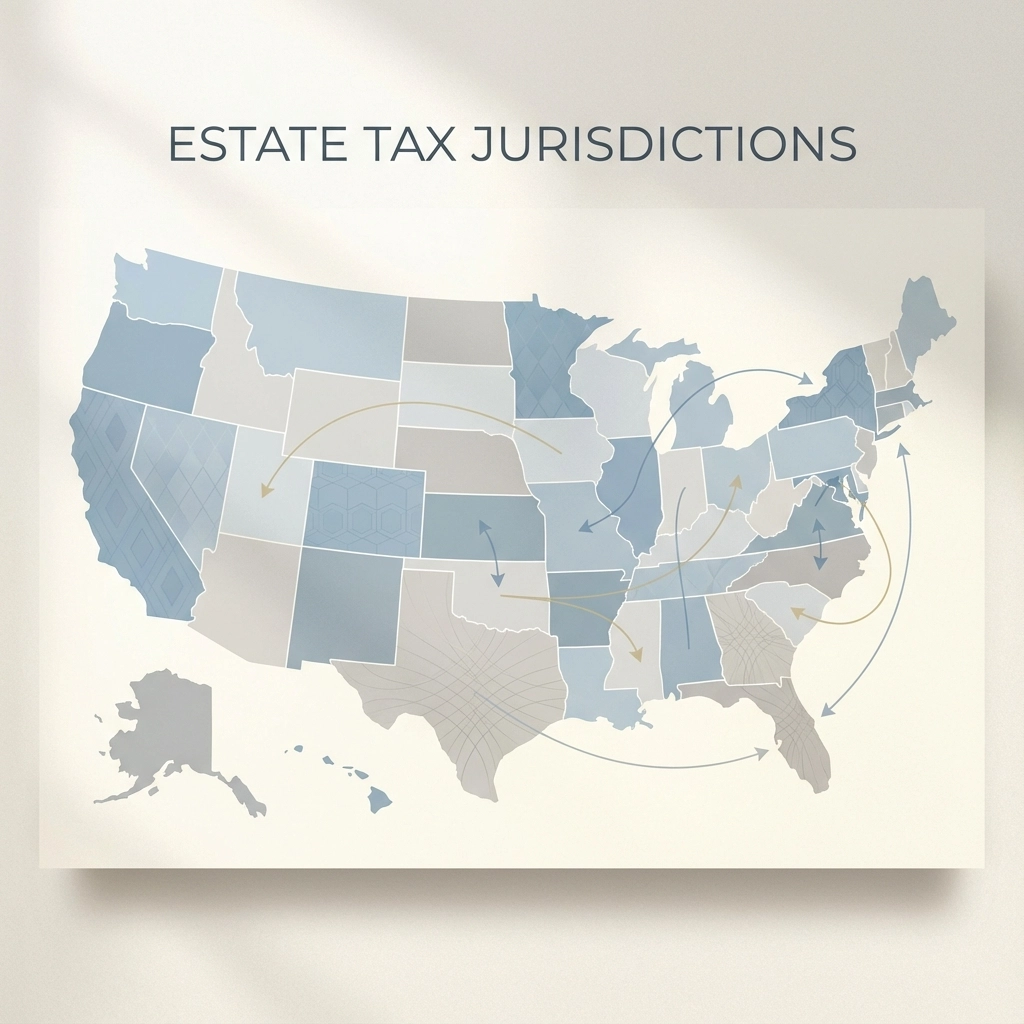
The Problem: While federal exemptions are increasing dramatically, twelve states and the District of Columbia still impose their own estate taxes, often with much lower exemption thresholds. Massachusetts, for instance, begins taxing estates at just $2 million, while New York's threshold is $6.94 million.
The Fix: If you live in or own property in states with estate taxes, your planning strategy needs to account for both federal and state implications. Consider strategies like:
- Establishing domicile in a tax-friendly state if you split time between residences
- Creating state-specific trusts for property in high-tax jurisdictions
- Implementing charitable strategies that benefit from state tax deductions
Your wealth management team should analyze your entire tax picture, not just federal implications, to develop the most effective strategy for your situation.
Mistake #3: Failing to Maximize the New Exemption Amounts
The Problem: Some wealthy individuals are so accustomed to worrying about estate taxes that they're not taking advantage of the increased giving opportunities the higher exemptions provide. This is particularly problematic for families who want to transfer wealth to younger generations sooner rather than later.
The Fix: The increased exemptions create unprecedented opportunities for tax-free wealth transfers. Consider these strategies:
- Accelerated gifting: You can now make combined lifetime gifts of up to $15 million in total without triggering gift taxes
- Family sales: Sell assets to family members using installment notes, leveraging the full exemption amount
- Dynasty trust funding: Establish trusts for multiple generations, taking advantage of the higher generation-skipping tax exemption
Remember, assets transferred now (including future appreciation) are removed from your taxable estate permanently. Starting early maximizes the long-term impact of these strategies.
Mistake #4: Planning Only for Current Laws
The Problem: While the $15 million exemption is labeled "permanent," seasoned estate planners know that tax laws can change with shifting political winds. Planning as if these exemptions will never decrease could leave your family vulnerable to future tax increases.
The Fix: Build flexibility into your estate plan that can adapt to potential changes. Consider strategies like:
- Formula clauses in trust documents that automatically adjust distributions based on exemption changes
- Powers of substitution that allow trustees to modify trust assets if tax laws change
- Decanting provisions that permit moving assets between trusts as needed
Your fiduciary wealth management advisor should help you create a plan that works well under current law but can pivot if necessary. As we often discuss on our podcast at www.1715tcf.com, the key to successful long-term planning is building in contingencies for the unexpected.
Mistake #5: Overlooking Non-Tax Estate Planning Goals
The Problem: The focus on estate tax savings sometimes overshadows other crucial estate planning objectives like asset protection, privacy, family governance, and ensuring smooth business succession.
The Fix: With estate taxes no longer a primary concern for most families, you can refocus your planning on these other critical goals:
- Asset protection: Shield your wealth from potential creditors, lawsuits, or divorce proceedings
- Privacy preservation: Use trusts and LLCs to keep your family's financial affairs out of public probate records
- Family education: Implement structures that teach younger generations about wealth responsibility
- Business continuity: Ensure your business can transition smoothly without tax pressures driving decisions
Quality financial planning should address your family's complete picture, not just tax optimization.
Mistake #6: Attempting DIY Estate Planning for Complex Situations
The Problem: Some high-net-worth individuals assume that higher exemptions mean they can handle their estate planning independently or with basic online tools. This approach often leads to incomplete planning that fails to address sophisticated family dynamics and wealth preservation needs.
The Fix: Estates approaching or exceeding the new exemption thresholds typically involve complex assets, multiple family members, business interests, and sophisticated financial structures. Professional guidance becomes even more critical, not less. Look for:
- Integrated planning teams including estate attorneys, tax professionals, and wealth managers who work together
- Experience with similar estates in terms of size, complexity, and family dynamics
- Ongoing relationships rather than one-time document preparation
The increased exemptions don't eliminate the need for professional expertise: they simply change the focus from tax minimization to comprehensive wealth management and family planning.
Mistake #7: Procrastinating on Plan Updates
The Problem: Many families know they need to update their estate plans but keep delaying action. This procrastination can be costly, especially as asset values continue to appreciate and family circumstances change.
The Fix: Establish a systematic review process for your estate plan. At minimum, review your plan:
- Annually for minor updates and beneficiary confirmations
- Every 3-5 years for comprehensive strategy reviews
- Immediately after major life events like births, deaths, marriages, divorces, or significant asset changes
- When tax laws change significantly, as they have in 2026
Consider establishing relationships with professional advisors at tdwealth.net who provide ongoing estate planning services rather than one-time document preparation. Regular check-ins ensure your plan evolves with your life and the law.

Taking Action in the New Estate Tax Environment
The 2026 estate tax changes represent a generational opportunity for wealthy families to implement more effective, efficient estate planning strategies. However, realizing these benefits requires proactive planning that goes beyond simply celebrating the higher exemptions.
Start by gathering your current estate planning documents and scheduling a comprehensive review with qualified professionals. Focus on strategies that align with your family's complete objectives: tax efficiency, asset protection, family harmony, and wealth preservation for future generations.
The families who benefit most from these changes will be those who act decisively to update their plans, leverage new opportunities, and build flexibility for future changes. Don't let these historic estate tax advantages slip away due to outdated planning or procrastination.
Your family's wealth represents decades of hard work and careful planning. Ensure that your estate plan reflects both your current opportunities and your long-term vision for your financial future. The increased exemptions are just the beginning: the real value comes from implementing a comprehensive investment strategy that protects and preserves your legacy for generations to come.
This content is for educational purposes only and does not constitute investment advice. Past performance is not indicative of future results. Advisory services offered through Davies Wealth Management, a Registered Investment Adviser. Please consult a qualified financial, tax, or legal professional regarding your specific situation.
Leave a Reply